Kawasaki Norovirus Outbreak in South Africa: What You Need to Know

Table of Contents
- Cape Town Flights Continuing Despite Fuel Shortage
- Western Cape hospitals face crisis as DA fights to open hotspot beaches ...
- COVID-19 in Cape Town: Initial state and civil society responses ...
- Cape Town narrowly escaped germ 'catastrophe' in 2016, Mayosi report ...
- COVID-19 Pandemic | Eastern Cape welcomes Cuban doctors - YouTube
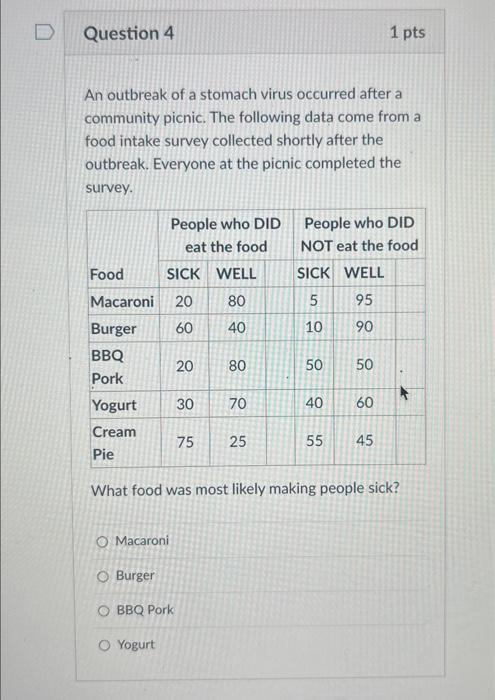
- Solved An outbreak of a stomach virus occurred after a | Chegg.com
- Covid-19 pneumonia deaths sharply down in fourth wave, say Western Cape ...
- UAE: Is stomach flu contagious? Here's why cases increase during ...
- Health department reveals Covid-19 hotspots in Gauteng | The Citizen
- Local students on D.C. trip get stomach virus | wwltv.com


What is Kawasaki Norovirus?


Prevalence of Kawasaki Norovirus in South Africa



Symptoms and Transmission
The symptoms of Kawasaki norovirus typically appear within 24-48 hours of exposure and can last for several days. The most common symptoms include: Diarrhea Vomiting Stomach cramps Fever Headache Fatigue The virus can spread through: Contaminated food and water Direct contact with an infected person Touching contaminated surfaces and objects
Prevention and Treatment
Preventing the spread of Kawasaki norovirus requires a combination of good hygiene practices and precautions. Here are some tips to reduce the risk of infection: Wash your hands frequently with soap and water Avoid close contact with people who are infected Avoid sharing food, drinks, and utensils Clean and disinfect contaminated surfaces and objects Practice good food safety and handling While there is no specific treatment for Kawasaki norovirus, symptoms can be managed with: Fluid replacement to prevent dehydration Rest and hydration Over-the-counter medications to alleviate symptoms The Kawasaki norovirus outbreak in South Africa is a significant public health concern. By understanding the symptoms, transmission, and prevention methods, individuals can take necessary precautions to reduce the risk of infection. It's essential to practice good hygiene, avoid close contact with infected people, and take steps to prevent the spread of the virus. If you or a loved one is experiencing symptoms, seek medical attention immediately. Stay informed, stay safe, and help prevent the spread of Kawasaki norovirus in South Africa.Source: The Citizen